Nutrition Planning for Busy Schedules
Learn how to organize balanced eating habits when time is limited. Educational guidance for everyday meal planning.
Request a Consultation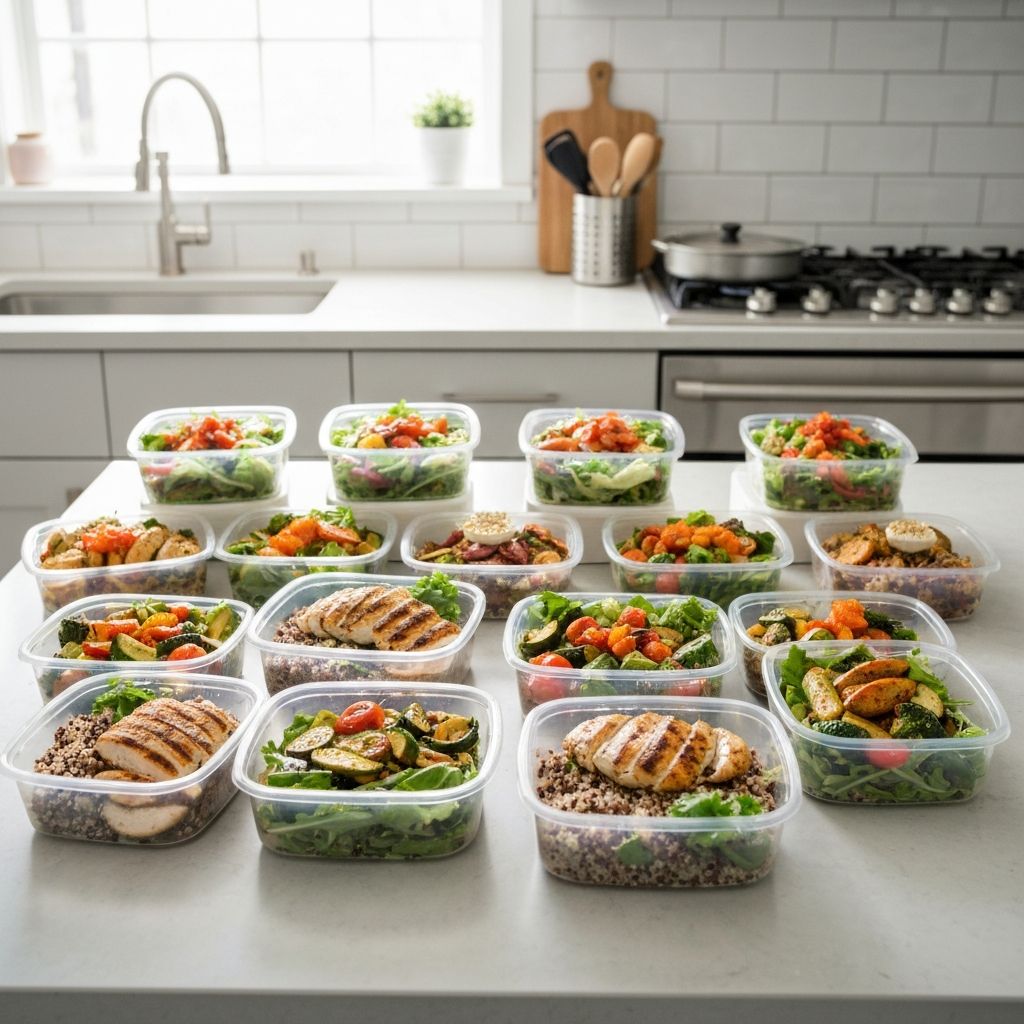
Learn how to organize balanced eating habits when time is limited. Educational guidance for everyday meal planning.
Request a Consultation
Understanding the importance of organized eating in daily life
Organized meal planning helps create consistent daily routines and reduces decision fatigue during busy days.
Planning ahead allows you to make informed food choices even when schedules are packed.
Simple, repeatable meal patterns make it easier to maintain balanced eating habits long-term.

These challenges are common among working professionals, parents, and students. Understanding them is the first step toward better meal organization.
Educational concepts for organizing nutrition with limited time
Preparing multiple meals or ingredients at once can save significant time throughout the week. This approach involves cooking larger quantities and portioning them for easy access during busy days.
Creating a rotation of familiar, easy-to-prepare meals reduces planning time and mental effort. Focus on versatile ingredients that work across multiple meal types.
Organized grocery lists and regular shopping routines help maintain consistent food availability. Planning purchases around meal schedules reduces stress and waste.
Having backup options for unexpected schedule changes ensures you can maintain eating consistency even during unpredictable days.
Understanding basic food categories helps in creating balanced, time-efficient meals:
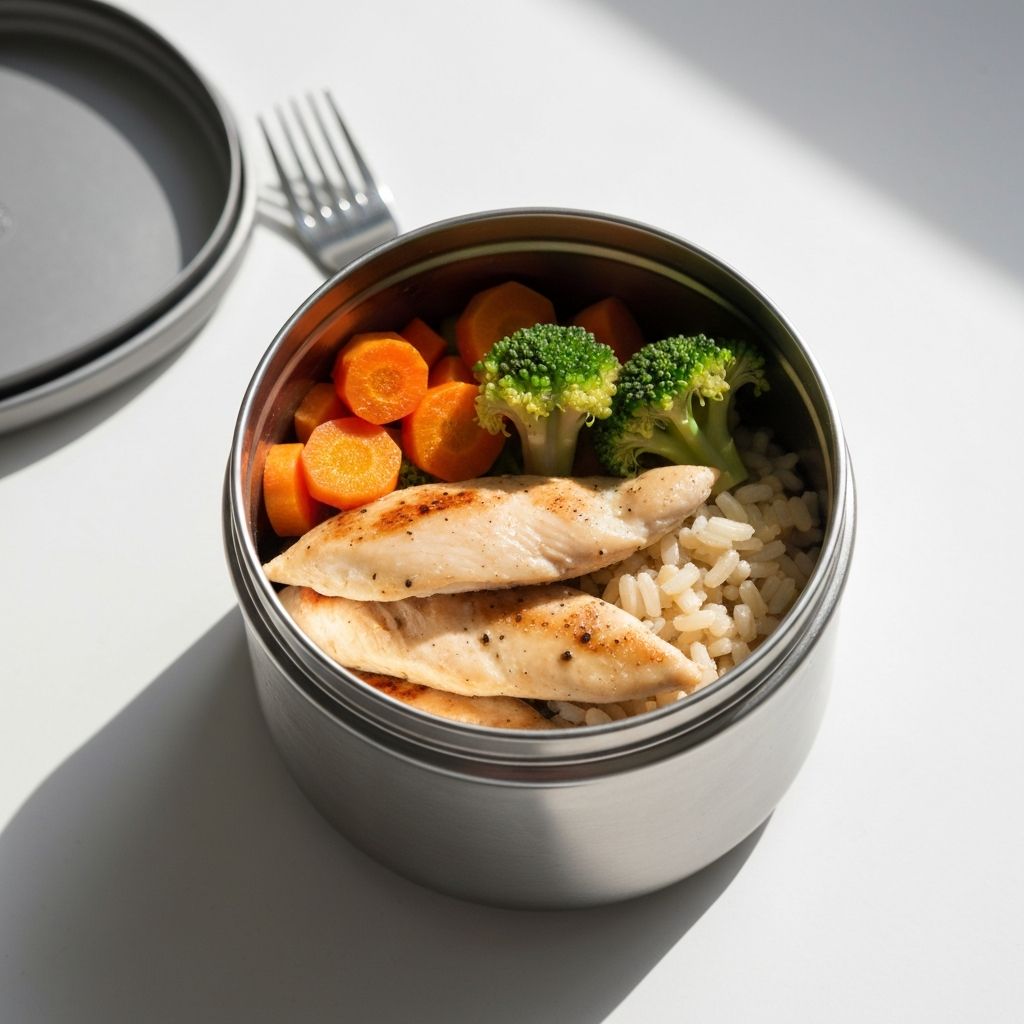
Eggs, chicken, fish, beans, lentils, tofu. These foods are versatile and can be prepared in various quick ways.
Rice, potatoes, whole grain bread, oats, pasta. These provide sustained energy throughout busy days.
Fresh or frozen options work well. Pre-cut vegetables save preparation time while maintaining nutritional value.
Olive oil, avocado, nuts, seeds. Small amounts add flavor and satisfaction to simple meals.
Practical strategies for organizing your nutrition routine:
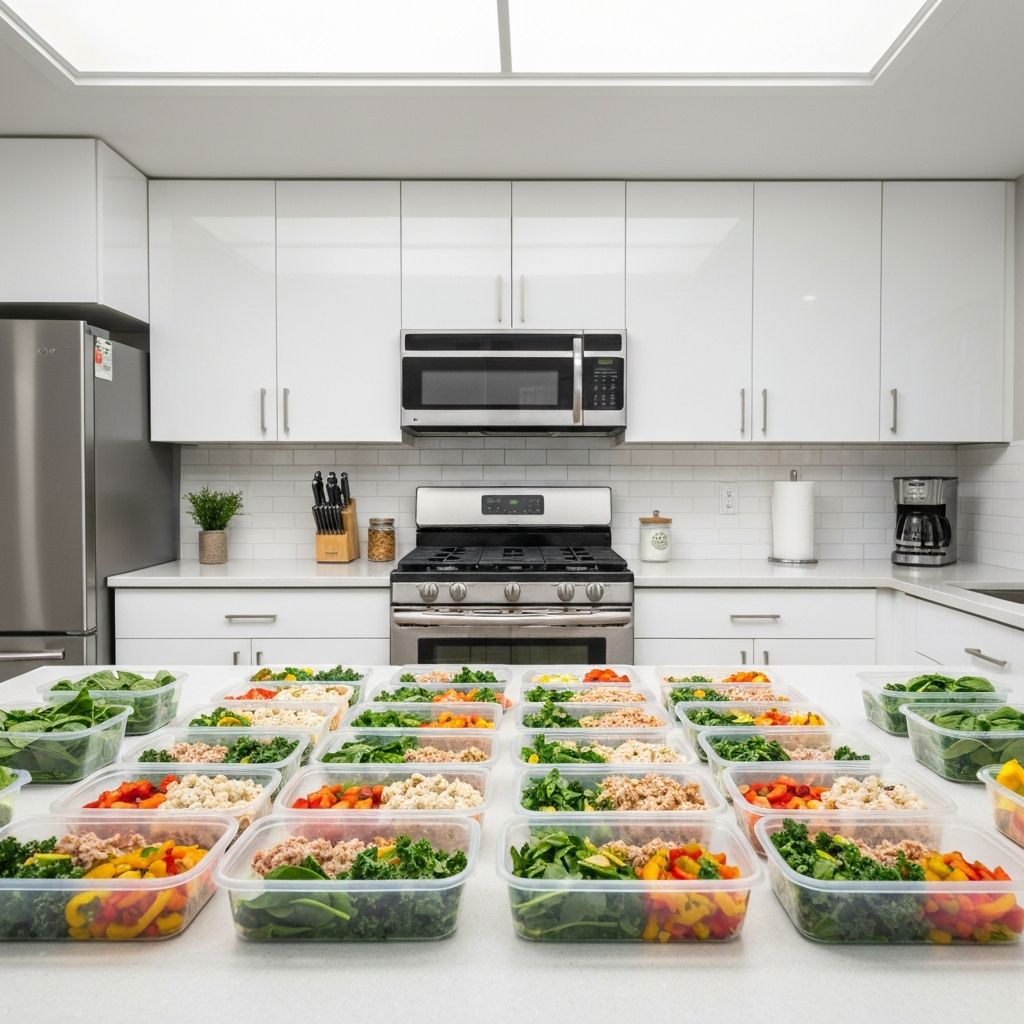
Using appropriate containers for portioning and storing prepared meals makes daily eating more convenient.
Setting aside time once per week to plan meals and shopping lists creates structure and reduces daily stress.
Building a collection of quick, reliable recipes that fit your schedule and preferences makes meal planning easier.
Starting with one or two changes rather than overhauling everything at once increases long-term success.
Educational guidance for various lifestyle situations
Those with demanding work schedules who need efficient meal organization strategies.
Individuals managing family meals alongside other responsibilities.
Those learning to organize independent eating habits during academic schedules.
People seeking strategies for maintaining consistent eating patterns while on the go.
"The meal planning guidance helped me organize my weekly routine. I now spend less time deciding what to eat during busy workdays."
"Learning about batch preparation made a real difference. The educational approach was practical and easy to understand."
"The consultation provided useful information about organizing meals with limited time. The strategies are straightforward and realistic."
Begin with planning just a few meals per week rather than all meals. Focus on simple, familiar foods and gradually build a routine that works for your schedule.
Create flexible meal options that can adapt to different situations. Having backup plans and quick alternatives helps maintain consistency even during unpredictable times.
Make a standard shopping list based on your regular meals. Shopping at consistent times and having a list organized by store sections saves time.
Simple combinations like rice with pre-cooked protein and vegetables, sandwiches with varied fillings, or overnight oats can be prepared quickly or in advance.
Research food options at your destination in advance, pack simple portable snacks, and maintain regular meal times when possible to reduce disruption to your routine.
Batch cooking is one strategy among many. Some people prefer preparing fresh meals daily but with simplified recipes. Choose the approach that fits your preferences and schedule.
Get guidance on organizing nutrition for your busy lifestyle. Request an educational consultation to explore time-efficient meal planning strategies.
Send a Consultation Request